The Ultimate Disney World Touring Plan Guide (2026)

The Ultimate Disney World Touring Plan Guide (2026)
You've spent thousands on your Disney World vacation. Your hotel is booked, park tickets purchased, and dining reservations secured. But without a solid touring plan, you could spend half your day standing in lines instead of experiencing the magic.
A touring plan helps you choose priorities, reduce backtracking and adapt when waits change. How many attractions you ride depends on your date, park hours, group and the day's operations. It can also be the difference between frustrated kids melting down in the Florida heat and happy families creating memories. Between wondering if you wasted your money and knowing you conquered the parks like a pro.
This guide will show you exactly how touring plans work, the proven strategies that minimize wait times, and how to create a plan that actually fits your family's style. Let's turn your Disney day from chaotic to effortless.
Table of Contents
- What Is a Disney World Touring Plan?
- The Science Behind Touring Plans
- DIY vs Tool-Assisted Planning
- Core Touring Strategies That Work
- Park-Specific Approaches
- How Technology Makes Planning Easier
- Common Touring Plan Mistakes
- Frequently Asked Questions
- Your Action Plan
What Is a Disney World Touring Plan?
A Disney World touring plan is a strategic itinerary that tells you which attractions to visit and in what order to minimize wait times throughout your day. Think of it as a GPS for navigating the parks - it routes you efficiently through crowds to maximize ride time and minimize standing in line.
Unlike a simple list of "must-dos," a proper touring plan accounts for:
- Crowd patterns - Where people go at different times of day
- Wait time fluctuations - When rides are busiest vs emptiest
- Walking distances - Efficient routing to avoid backtracking
- Lightning Lane availability - Coordinating paid and standby experiences
- Show schedules - Working entertainment around ride strategies
The goal is simple: experience more attractions with less waiting. On an average day at Magic Kingdom, the difference between wandering randomly and following a good touring plan can noticeably change how much you experience, though the exact number depends on the day.
The Science Behind Touring Plans
Disney World touring plans work because crowd behavior is surprisingly predictable. When you understand these patterns, you can stay one step ahead.
Morning Rush Dynamics
Most guests arrive between 9:30-10:30 AM, even when parks open at 9:00 AM. This creates a golden window at rope drop where popular attractions have minimal waits. Seven Dwarfs Mine Train might have a short wait soon after opening and a much longer one by mid-morning, though waits vary by day.
Early arrivals who hit the right attractions first may be able to ride several major attractions before lines build, though this is not guaranteed.
Counterintuitive Crowd Movement
Here's where touring plans get interesting: crowds don't distribute evenly. When a park opens, the majority of guests head in one direction - typically toward the park's newest or most popular attraction. This means attractions in the opposite direction have surprisingly short waits.
At Magic Kingdom, most guests turn right toward Tomorrowland or go straight to Fantasyland. Guests who turn left toward Adventureland find shorter lines at attractions like Pirates of the Caribbean and Big Thunder Mountain.
The Lunch Lull and Dinner Dip
Wait times drop during meal periods because people are eating instead of riding. This creates two daily windows:
- 11:30 AM - 1:00 PM: Lunch period, moderate wait reduction
- 5:00 PM - 6:30 PM: Dinner period, significant wait reduction
Strategic touring plans schedule meals during peak wait times and ride attractions during meal periods.
The Evening Energy Burst
After dinner, families return to attractions refreshed, creating a second wave of crowds from 7:00-9:00 PM. But many families with young children leave around sunset (6:00-7:00 PM), creating opportunities at family-friendly attractions.
The final hour before park closing often has the shortest waits of the entire day as guests migrate toward the exit to secure parking lot positions or transportation.
Wait Time Compounding
Here's the math that makes touring plans essential: if you waste 15 minutes per attraction on poor routing decisions across 10 attractions, you've lost 2.5 hours of your day. That could be enough time for several more attractions.
DIY vs Tool-Assisted Planning
You have two paths for creating a Disney World touring plan: build it yourself or use a tool. Both work, but they require different investments of time and expertise.
The DIY Approach
Creating your own touring plan means researching historical wait times, mapping walking distances, and sequencing attractions manually. This works well if you:
- Enjoy the planning process as part of the vacation experience
- Have specific needs that require custom solutions
- Want complete control over every decision
- Have time to research and refine your approach
DIY Resources:
- Thrill-Data.com (historical wait time charts)
- TouringPlans.com wait time statistics
- My Disney Experience app (current wait times during your trip)
- Park maps for measuring walking distances
Time Investment: Expect 3-5 hours per park day to research, plan, and create a detailed minute-by-minute itinerary. You'll need to update it the night before or morning of your visit based on current conditions.
Pros:
- Complete customization to your preferences
- Deep understanding of park operations
- Free (just time investment)
- Flexible to unusual circumstances
Cons:
- Significant time investment
- Requires research skills and data interpretation
- Static plan that doesn't adapt during your day
- Easy to miss hidden patterns without experience
Tool-Assisted Planning
Touring plan tools use algorithms and real-time data to generate optimized itineraries automatically. These range from paid subscription services to free mobile apps.
Popular Options:
- TouringPlans.com (subscription service with detailed plans)
- Park Autopilot (real-time routing app)
- Thrill Sync (wait time tracking and optimization)
- My Disney Experience (basic but limited planning features)
Time Investment: 15-30 minutes to set preferences and review the generated plan.
Pros:
- Quick setup with minimal research required
- Based on extensive data and algorithms
- Real-time tools adapt to current conditions
- Lower stress on vacation days
Cons:
- Less granular control over specific choices
- May require subscription fees (tool-dependent)
- Learning curve for understanding each tool's approach
- Quality varies significantly between tools
The Hybrid Approach
Many experienced Disney visitors combine both methods: use a tool for the baseline plan, then customize it with DIY adjustments based on personal preferences.
For example, you might use a tool to sequence attractions efficiently, but manually adjust meal times, show preferences, or build in breaks that the algorithm wouldn't know about.
Save time planning: Park Autopilot is a tool that creates your touring plan automatically based on real-time wait times. Instead of spending hours researching optimal sequences, open the app on your park day and it'll tell you exactly where to go next as conditions change throughout the day.
Core Touring Strategies That Work
Regardless of whether you DIY or use a tool, these fundamental strategies form the foundation of every effective Disney World touring plan.
1. Master the Rope Drop
Rope drop - the moment parks open to guests - is the single most valuable time of your park day. Arriving 30-45 minutes before official opening and heading straight to the highest-demand attractions can save significant cumulative wait time.
Rope Drop Execution:
- Arrive at park entrance 45-60 minutes before posted opening
- Know exactly which attraction you're targeting first
- Have your park ticket ready on your phone or card
- Walk briskly (don't run) once inside
- Head directly to your target - no stopping for photos or shopping
Best Rope Drop Targets:
- Magic Kingdom: Seven Dwarfs Mine Train or Tron Lightcycle Run
- EPCOT: Remy's Ratatouille Adventure or Test Track
- Hollywood Studios: Slinky Dog Dash or Rise of the Resistance
- Animal Kingdom: Flight of Passage or Na'vi River Journey
2. Use the Counterclockwise Strategy
Most people instinctively turn right when entering spaces. Disney park designers know this and often place popular attractions to the right of entrances. Going against the crowd - turning left when others turn right - puts you in areas with shorter lines.
This doesn't mean ignoring right-side attractions entirely. Instead, hit left-side attractions first when crowds are lowest, then move right later when those crowds have dispersed.
3. Stack Lightning Lane Purchases Strategically
Disney's Lightning Lane system lets you pay to skip standby lines. The key is purchasing these for attractions that will have the longest waits during your visit, not necessarily your favorite rides.
Lightning Lane Priority List:
- High-demand, low-capacity rides (Seven Dwarfs, Flight of Passage)
- Attractions with consistently long waits (Slinky Dog, Test Track)
- Rides you absolutely can't miss if lines are prohibitive
Save your standby time for attractions with shorter average waits or that experience significant dips during meal periods.
4. Embrace the Midday Break Strategy
The Florida heat and midday crowds make 1:00-4:00 PM the worst time to be in the parks. Many successful touring plans include a midday break:
Midday Break Benefits:
- Escape the hottest part of the day
- Rest and recharge for evening hours
- Avoid peak crowd periods
- Return refreshed for low evening wait times
You'll accomplish more in 5 hours split (3 morning + 2 evening) than 6 continuous hours through the midday crush.
5. Save Low-Priority Attractions for Evening
Popular attractions with high capacity can accommodate long lines efficiently. These rides might show 45-minute waits, but the line moves continuously. Save these for evening when families leave early:
- Pirates of the Caribbean
- Haunted Mansion
- Spaceship Earth
- The Seas with Nemo & Friends
Meanwhile, low-capacity attractions with slow-moving lines should be morning priorities.
6. Work Shows Around Rides, Not Vice Versa
Shows run on fixed schedules, making them inflexible. Build your touring plan around attraction efficiency first, then slot in shows during periods that don't sacrifice ride optimization.
Best Times for Shows:
- Right after rope drop burst (10:00-11:00 AM)
- During afternoon heat (2:00-4:00 PM)
- After dinner before evening attractions (6:30-7:30 PM)
7. Monitor Wait Times Throughout the Day
Static plans created days in advance can't account for unexpected closures, weather changes, or unusual crowd distributions. Checking wait times periodically lets you adapt:
- If your next planned attraction has an unexpected spike, pivot to a backup
- If something shows a surprisingly low wait, grab it opportunistically
- If weather drives crowds indoors, outdoor attractions become goldmines
The My Disney Experience app shows current posted wait times for all attractions in real-time.
8. End Strong With Closing Time Advantage
The final 60-90 minutes before park closing often offer some of the shortest waits of the day. Guests leave to secure transportation, beat parking lot traffic, or get kids to bed. Those who stay may find much shorter waits at some major attractions, though this varies.
Closing Time Strategy:
- Stay until the very last minute
- Target popular attractions that had long waits earlier
- Get in line even 1 minute before closing - Disney will let you ride
- Use this time for attractions you missed or want to repeat
Park-Specific Approaches
Each Disney World park has unique layouts, attraction mixes, and crowd patterns that influence optimal touring strategies.
Magic Kingdom Touring
Magic Kingdom has the most attractions and draws the largest crowds, making an efficient touring plan essential.
Key Priorities:
- Rope drop Fantasyland (Seven Dwarfs or Tron)
- Counterclockwise to Frontierland (Big Thunder, Tiana's Bayou Adventure)
- Tomorrowland during lunch (Space Mountain)
- Adventureland in late afternoon (Pirates, Jungle Cruise)
Magic Kingdom's hub-and-spoke layout means you'll return to the center repeatedly. Factor in 10-12 minutes for cross-park walks.
EPCOT Touring
EPCOT's massive size (2x Magic Kingdom's footprint) makes walking efficiency critical.
Key Priorities:
- Rope drop World Showcase side (Remy's Ratatouille)
- Work forward through France, UK, Canada
- Future World attractions during lunch
- World Showcase exploring in afternoon
EPCOT rewards staying for evening entertainment (fireworks, Luminous) as waits drop significantly after 8:00 PM.
Hollywood Studios Touring
Hollywood Studios has fewer attractions than other parks but the highest-demand rides (Rise of the Resistance, Slinky Dog). Competition is fierce.
Key Priorities:
- Rope drop Toy Story Land (Slinky Dog first)
- Galaxy's Edge mid-morning (Rise of the Resistance)
- Tower of Terror during lunch
- Rock 'n' Roller Coaster late afternoon
Hollywood Studios touring plans require more Lightning Lane coordination than other parks due to extreme demand for limited attractions.
Animal Kingdom Touring
Animal Kingdom has the fewest attractions but the longest operating hours for its headliners (Flight of Passage, Kilimanjaro Safaris).
Key Priorities:
- Rope drop Pandora (Flight of Passage)
- Kilimanjaro Safaris early (animals active, shorter wait)
- Expedition Everest mid-morning
- Shows during afternoon (Festival of the Lion King, Finding Nemo)
Animal Kingdom is the easiest park to "complete" in a single day with good planning, making it beginner-friendly for practicing touring strategies.
How Technology Makes Planning Easier
Modern touring plan tools have evolved far beyond static printed itineraries. Real-time data and mobile optimization mean your plan can adapt as your day unfolds.
Real-Time Routing
Traditional touring plans were created days before your visit using historical averages. If actual conditions differed from predictions, the plan became less effective.
Real-time routing tools check current wait times every few minutes and recalculate your optimal next attraction based on where you are and what's still on your list. This means:
- Automatic adaptation to unexpected ride closures
- Opportunistic routing when waits drop suddenly
- Dynamic adjustments for weather impacts (rain can shift crowds and pause outdoor rides)
- Personalized pacing based on your actual progress
Apps like Park Autopilot continuously optimize your route throughout the day, removing the guesswork from touring decisions.
Mobile-First Experience
Checking a printed itinerary every 20 minutes disrupts the vacation experience. Mobile apps integrate planning directly into your park day:
- Turn-by-turn navigation to your next attraction
- Push notifications when wait times drop for high-priority rides
- One-tap tracking of completed attractions
- Walking time estimates between locations
This keeps you focused on experiencing the parks rather than managing spreadsheets.
Lightning Lane Integration
Coordinating purchased Lightning Lane return times with standby touring strategies used to require complex mental math. Modern tools automatically account for:
- Blocking out periods when you have Lightning Lane reservations
- Suggesting standby attractions near your Lightning Lane locations
- Optimizing your next Lightning Lane purchase based on current availability
- Preventing schedule conflicts between reservations and touring flow
This integration ensures paid skip-the-line purchases complement rather than conflict with your overall strategy.
Group Coordination Features
Touring with family members who split up temporarily (some shop, some ride) used to mean constant texting to regroup. Apps with group features let everyone see:
- Where each person is currently located
- Estimated completion time for current activity
- Optimal meeting point based on everyone's location
- Next group activity with ETA for all members
This reduces coordination stress and keeps everyone aligned without constant communication overhead.
Historical Progress Tracking
After your trip, seeing your actual accomplishments reinforces the value of good planning:
- Total attractions experienced
- Cumulative wait time saved vs unplanned touring
- Walking distance covered
- Minute-by-minute timeline of your day
This data helps refine future trips and provides satisfying proof that your planning paid off.
Ready to put this into practice? Park Autopilot takes everything in this guide and automates it. Just open the app on your park day, and it'll tell you exactly where to go next based on current wait times. No complex spreadsheets, no constant recalculating - just simple, effective routing that maximizes your day.
Common Touring Plan Mistakes
Even with a solid plan, these common errors can derail your efficiency.
Mistake 1: Overplanning Every Minute
Creating a minute-by-minute schedule for 14 hours sounds organized but becomes a source of stress when reality inevitably deviates. Build in flexibility:
- Allow buffer time between scheduled activities
- Accept that you won't accomplish literally everything
- Prioritize must-dos but stay loose on nice-to-haves
Touring plans should reduce stress, not create it through impossible precision.
Mistake 2: Ignoring Your Group's Pace
Algorithmic optimizations assume average walking speed and no breaks. Your group might need:
- Frequent bathroom stops with young children
- Slower walking pace with elderly family members
- Extended meal periods for picky eaters
- Sensory breaks for neurodivergent visitors
Customize any plan to your actual needs rather than following an "optimal" route that exhausts everyone.
Mistake 3: Forgetting to Eat and Hydrate
Skipping meals to "maximize ride time" leads to crashing energy, crankiness, and ultimately less enjoyment and fewer attractions completed. Schedule proper meals and snack breaks:
- Full breakfast before rope drop
- Substantial lunch (even if quick service)
- Dinner at a reasonable time
- Snacks and water throughout
You'll accomplish more when properly fueled than when running on empty.
Mistake 4: Chasing Wait Times Reactively
Constantly checking wait times and impulsively changing plans creates inefficient zigzagging across parks. Trust your plan's routing logic and only deviate for significant anomalies:
- Unexpected ride closures
- Severe weather driving crowds to covered areas
- Wait times differing by 30+ minutes from predictions
Minor fluctuations (5-10 minutes) don't justify rerouting.
Mistake 5: Starting Too Late
"We'll just get there when we get there" guarantees you'll miss rope drop, the most valuable touring time. Commit to early mornings:
- Set multiple alarms
- Prepare park bags the night before
- Have breakfast figured out in advance
- Leave extra buffer time for hotel checkout/parking
Those who sleep in spend their day waiting in lines that early risers already finished.
Mistake 6: Underestimating Walking
Disney World is huge. Magic Kingdom alone requires 2-3 miles of walking for a basic touring route. Multiply that across a week and you're walking a half-marathon. Prepare for this:
- Break in comfortable shoes weeks before your trip
- Consider rest days between park days
- Pack blister treatment and foot support
- Rent strollers even for "big kids" who can walk but will tire
Foot pain and exhaustion end park days prematurely more than anything else.
Mistake 7: Fighting the Family
Forcing your family to follow a rigid plan they didn't buy into creates resentment. Get everyone's input:
- Let each person pick their top must-do attractions
- Discuss tolerance for early mornings and late nights
- Agree on break frequency and meal preferences
- Give everyone ownership of the plan
Willing participants follow plans successfully. Dragged-along family members rebel and derail your strategy.
Frequently Asked Questions
Do I really need a touring plan, or can I just wing it?
You can absolutely enjoy Disney World without a formal plan - millions do. But understand the tradeoff: winging it often means fewer attractions experienced and more time in lines. If you're okay with a relaxed pace and lower ride counts, spontaneous touring works fine. If you want to maximize your expensive vacation, a plan is essential.
How far in advance should I create my touring plan?
Research your approach weeks ahead, but finalize your specific plan 1-2 days before your park day. This timing balances preparation with accounting for weather forecasts, crowd predictions, and any last-minute attraction closures or schedule changes.
What if my group wants to split up?
Splitting up is efficient - some ride while others shop or rest. Just establish clear meeting times and locations, use mobile communication to coordinate, and ensure everyone knows the overall plan. Consider using a touring app that lets groups track each other's locations.
Should I plan bathroom and snack breaks into my touring plan?
Loosely, yes. Assume 3-5 bathroom breaks throughout the day and position them near restrooms with shorter lines (Tangled-themed restrooms at Magic Kingdom, far corners of EPCOT pavilions). Don't schedule them minute-by-minute, but be aware of restroom locations relative to your planned routing.
Can I follow a touring plan with small children?
Absolutely, but adapt it to their needs. Accept fewer attractions completed, build in more frequent breaks, allow time for character meets, and skip attractions they're too young for. The principles still apply - you'll just accomplish them at a different pace.
What if it rains during my park day?
Bring rain gear, but check Disney's app before heading to an outdoor ride. Weather can shorten some queues and also pause attractions, so do not assume a ride will be open or have a shorter wait.
How do touring plans work with Lightning Lane purchases?
Good touring plans integrate both. Use Lightning Lane for the highest-demand, lowest-capacity attractions (Seven Dwarfs, Flight of Passage) and tour standby for everything else. Your touring plan sequences your standby rides around your Lightning Lane return times.
Should I adjust my plan if crowds are lighter than expected?
Yes, but don't completely abandon it. If waits are uniformly lower than predicted, you have more flexibility to ride attractions in any order or revisit favorites. Still leverage the core principles (rope drop, counterintuitive routing) even when crowds are manageable.
What's the biggest difference between weekday and weekend touring plans?
Weekends are often busier, especially Saturdays, though this varies by date. Your weekend plan should be more aggressive about rope drop, earlier Lightning Lane purchases, and potentially skipping lower-priority attractions. Weekday plans allow more flexibility and longer meal breaks.
How can I tell if my touring plan is working during my day?
Track your cumulative wait time versus what those attractions' waits became later. If you rode Seven Dwarfs at a 20-minute wait and it's now showing 90 minutes, your plan worked. If you're consistently hitting peak waits for multiple attractions, reassess your approach or use real-time routing to adapt.
Your Action Plan
You now understand how Disney World touring plans work and the strategies that make them effective. Here's how to put this knowledge into action:
Immediate Steps (Today)
Decide your approach: DIY planning or tool-assisted? Based on your time availability and planning enjoyment, commit to one method.
Download essential apps:
- My Disney Experience (official Disney app)
- Park Autopilot or your chosen touring tool
- Weather app for Orlando forecast monitoring
Identify your must-do attractions: List each family member's top 3 non-negotiables per park you're visiting.
1-2 Weeks Before Your Trip
Research park-specific strategies: Read detailed guides for each park on your itinerary (Magic Kingdom, EPCOT, Hollywood Studios, Animal Kingdom).
Create baseline touring plans: Rough out your intended approach for each park day, including rope drop targets, Lightning Lane priorities, and meal windows.
Set expectations with your group: Review plans with family, ensure everyone agrees on wake-up times and priorities.
Day Before Each Park Visit
Check current conditions: Review tomorrow's crowd predictions, weather forecast, and any announced attraction closures.
Finalize your touring plan: Adjust your baseline plan based on current conditions and confirm your rope drop target.
Prep for early morning: Pack park bag, charge phone fully, set 2-3 alarms for rope drop arrival.
Park Day Morning
Execute rope drop: Arrive 45-60 minutes before official opening, head straight to your #1 priority attraction.
Follow your plan flexibly: Use your touring plan as a guide but adapt to real-time conditions you encounter.
Track your progress: Note what you accomplish to refine your approach for subsequent park days.
The Easiest Path Forward
If creating detailed touring plans sounds overwhelming, or if you want to minimize pre-trip planning time, skip the manual work entirely. Park Autopilot takes everything in this guide and automates it. Just open the app on your park day, and it'll tell you exactly where to go next based on current wait times. it works - give it a try on your next trip.
Whether you plan meticulously or automate the process, the difference between touring strategically and wandering randomly can make a real difference to how much of a park you experience. Your Disney vacation is too valuable to leave to chance.
Now go make some magic happen.
Ready to put this into practice? Park Autopilot creates your touring plan from real-time wait times. Try it free →
Ready to put this into practice?
Park Autopilot takes everything in this guide and automates it. Just open the app on your park day, and it'll tell you exactly where to go next based on current wait times.
Try Park Autopilot NowRelated Articles
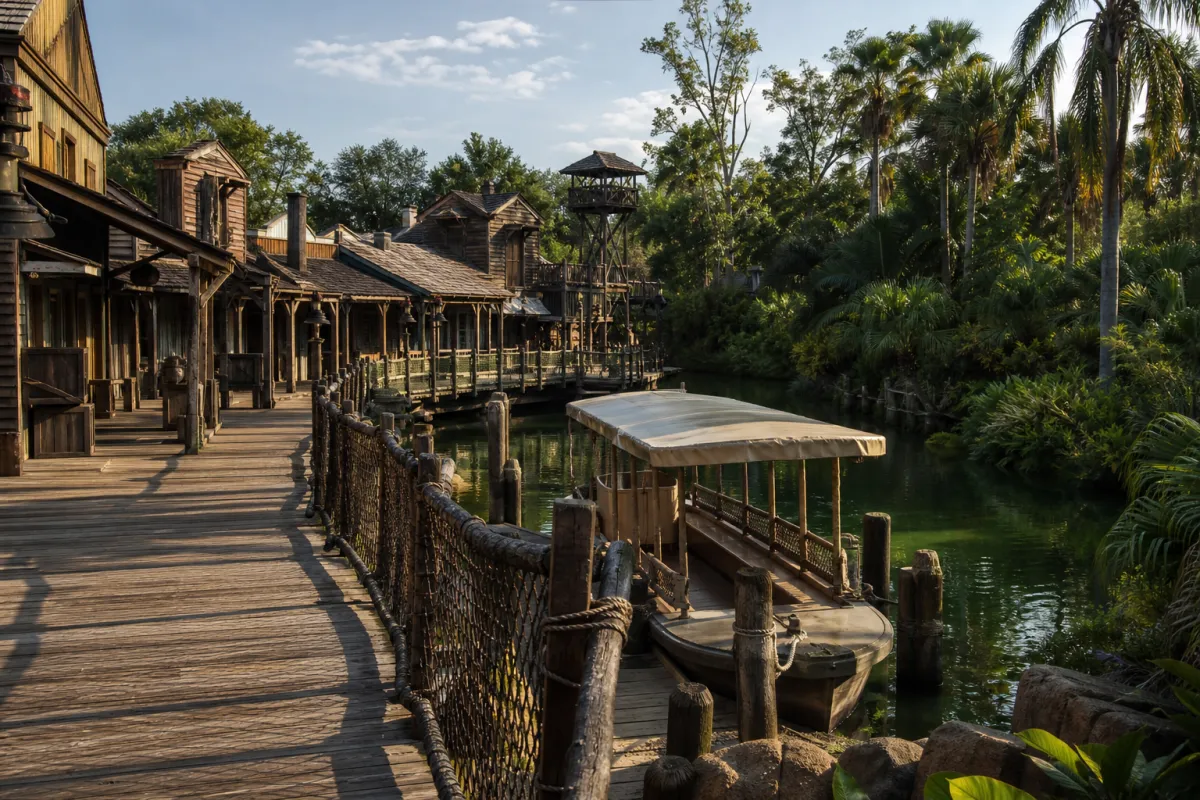
Tiana's Bayou Adventure Closes November 2. Rebuild Your Frontierland Morning.
Tiana's Bayou Adventure closes for refurbishment on November 2 and averages 25.9 minutes at Magic Kingdom. Here is what else is closed and how to re-plan.

Hollywood Studios Without the Headliners: Echo Lake to Pixar Plaza
Star Tours averages 5.7 minutes and Toy Story Mania averages more than Tower of Terror. A guide to the four Hollywood Studios areas nobody plans around.

Discovery Island and Rafiki's Planet Watch: Animal Kingdom's Middle
A photo line on Discovery Island averages a longer wait than Kilimanjaro Safaris. Here is how to time Animal Kingdom's two most overlooked areas properly.